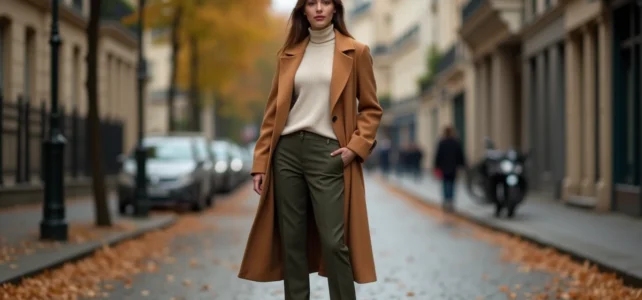
The fashion of a season is defined by a set of clothing codes, cuts, and color palettes that simultaneously impose themselves on the runways and in the streets. For the spring-summer 2026 season, these codes are structured around three axes: fluid and loose silhouettes, a marked return of leather in a summer version, and a color palette dominated by reds and natural tones.
End of greenwashing on fashion labels: what the European directive changes
Before discussing pieces and cuts, a regulatory change modifies how brands present their collections this season. The European directive 2024/825, adopted by the Parliament and the Council in 2024, prohibits vague environmental claims on clothing.
The terms “eco-friendly,” “green,” or “carbon neutral” without measurable evidence are gradually disappearing from labels. The transposition into member states began in 2025, with a direct impact on the spring-summer 2026 collections.
In practice, this means that pseudo-ecological private labels can no longer appear on labels without verifiable criteria. To build a stylish look this season, checking the actual composition of materials on the label becomes a more reliable reflex than relying on a self-proclaimed “green” logo. Several references for trendy pieces are available on fashion-clubwear.fr, which allows for product description comparisons.
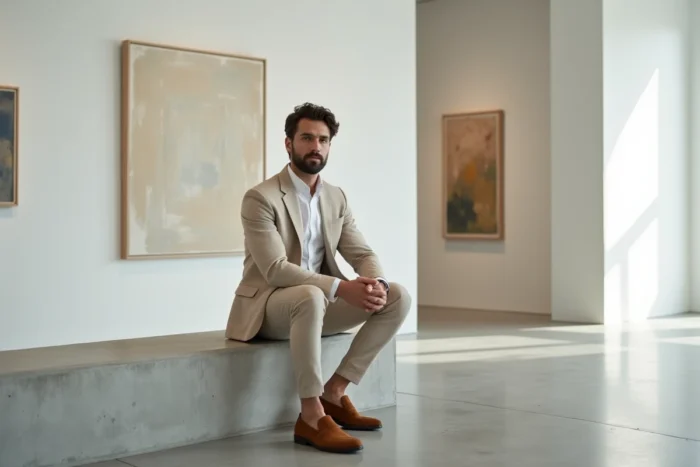
Long fluid dress and wide pants: the spring-summer 2026 silhouettes
The dominant silhouette of the season is based on two complementary pieces: the long fluid dress and the structured wide pants. Their common point is a loose cut that frees the body while maintaining a clean line.
Long dress: from the runway to everyday life
The collections of Loewe, Miu Miu, Saint Laurent, and Tom Ford all featured long dresses with a fluid fall, inspired by the poetcore trend. The dominant colors are: orange, pink, yellow, olive green, and sky blue.
The combination that works this season remains minimalist. Flat shoes or low-heeled ones, a simple bag, and the dress does the work alone. Adding a thin belt at the waist is enough to structure the silhouette without stiffening it.
Structured wide pants: the cut to prioritize
The wide pants stand out from simple loose pants by three technical characteristics:
- A marked waist, often high, that anchors the piece on the body and avoids the “pajama” effect
- A straight or slightly flared fall, with a fabric dense enough for the pleats to stay in place
- A length that grazes the shoe without dragging, which requires choosing the right leg size rather than always having it altered
Wearing wide pants with a fitted top creates a contrast of volumes that structures the outfit. A top tucked into the waistband or a body-hugging bodysuit balances the silhouette effortlessly.
Leather in summer and dominant red: the color and material codes of the season
Two strong trends of this season may seem contradictory at first glance: leather worn in the height of summer and a saturated palette where red occupies a central place.
Summer version of leather
The spring-summer 2026 runways showcased numerous pieces in lightweight leather: short skirts, sleeveless jackets, tops with thin straps. The difference with autumn-winter leather lies in the thickness of the material and the finishes. Summer versions use soft and thin leathers, sometimes perforated, allowing for some air circulation.
The trap to avoid: choosing thick synthetic leather sold as “vegan leather” without checking the actual composition. With the aforementioned European directive, brands must now specify the exact nature of the material.
Red as a guiding thread
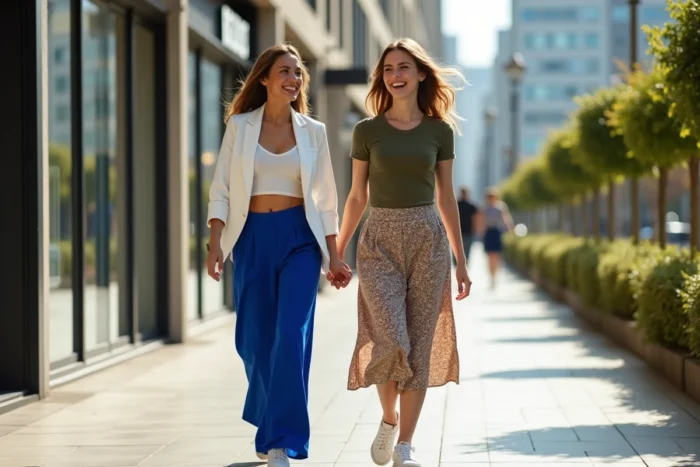
Red emerges as the signature color of the season. Not a single red, but a spectrum ranging from cherry red to brick red through vermilion. Vogue identified this dominance under the title “Roses are red” in its analysis of the shows.
Incorporating red into a daily look does not mean dressing in monochrome. A single red piece is enough to anchor the outfit in the season: a bag, a pair of shoes, or a top worn with raw jeans or beige pants.
Premium second-hand: building a trendy look without buying everything new
The 2025 report from ThredUp and GlobalData indicates that the second-hand fashion market is expected to grow more than three times faster than the overall fashion market by 2028. The premium segment (luxury bags, designer denim) shows the strongest growth.
Building a stylish look this season by combining new pieces and second-hand items has become a relevant strategy. Structured pieces (well-cut wide pants, quality leather jacket) are often found in better condition on the resale market than their entry-level new equivalents.
- Premium second-hand denim retains its shape and color better than a low-quality new jean after a few washes
- Branded leather bags sometimes gain flexibility over time, improving their drape
- Designer dresses in fluid fabric, worn once or twice for an event, are often resold in almost new condition
Fashion trends are no longer just a list of pieces to acquire in stores. Loose cuts, lightweight leather, and red remain the visual markers of the season, but the way to source them evolves as much as the collections themselves. Checking the actual composition of materials, whether for a new or second-hand purchase, remains the most useful gesture for a wardrobe that lasts beyond a season.