Transforming a garden into a paradise space is not just about planting flowers and setting up a garden lounge. Several factors determine the success of landscaping: soil type, exposure, watering constraints related to drought restrictions, and the choice between ornamental plants and hardy exotic plants. This article compares the approaches and their concrete implications for a garden that is both aesthetic and viable.
Watering Restrictions in France: What Changes for Ornamental Gardens
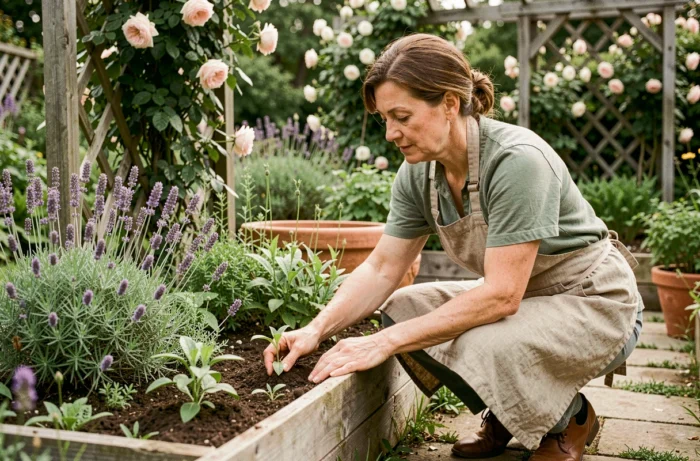
Recent drought orders draw a clear line between two categories of plants in private gardens. Lawns, flower beds, and ornamental wooded areas face watering bans during large time slots, even 24/7 during crisis levels. Vegetable gardens, on the other hand, retain a restricted watering right, typically at night or early in the morning, with typical windows between 8 PM and 8-9 AM depending on the departments.
This distinction has a direct impact on the choice of plants for a paradise garden. Relying solely on water-hungry flower beds exposes one’s garden to the risk of wilting during the first heatwave, with no legal option to water it.
| Type of Plant | Watering during Drought Alert | Watering during Crisis Level |
|---|---|---|
| Lawn and Ornamental Beds | Restricted (limited time slots) | Prohibited 24/7 |
| Vegetable Garden | Allowed at night (around 8 PM – 8 AM) | Allowed only at night |
| Newly Planted Trees and Shrubs | Often tolerated at the base, outside of hot hours | Variable according to local orders |
For a garden that remains beautiful even under restrictions, hardy exotic plants suited to dry soils (agaves, yuccas, ornamental grasses) represent a more resilient alternative than traditional annuals. These documented approaches can regularly be found on www.conseil-jardin.net, which lists practices adapted to current climatic constraints.
Exotic Garden or Classic Ornamental Garden: A Comparison of Constraints
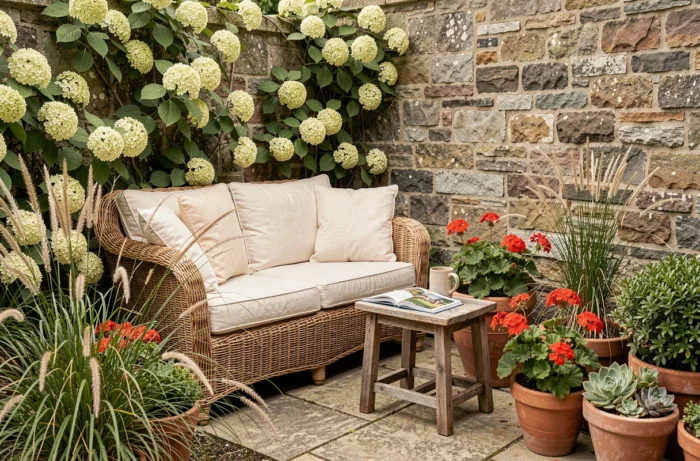
The choice of garden style involves much more than aesthetics. An exotic garden and a classic ornamental garden do not utilize the same resources or maintenance skills.
Required Soil and Exposure
A tropical or exotic-style garden requires soil enriched with humus, regular additions of potting soil, and a thick layer of mulch made from dead leaves or plant debris. The space should ideally be sheltered from prevailing winds by a wall or fence and benefit from light shading to prevent tender foliage from burning in the summer sun.
A classic garden (roses, perennials, lawn) tolerates more configurations, but its water needs are significantly higher during the hot season. During restrictions, this is a real disadvantage.
Winter Protection
Hardy exotic plants (Musa basjoo banana plants, Trachycarpus palms, tree ferns) can withstand moderate frosts but require winter protection or enhanced mulching at the base in regions with harsh winters. A classic garden does not pose this problem but offers less visual contrast and plant volume.
- The exotic garden requires less water in summer but more protection in winter, making it a relevant choice in regions subject to recurring drought episodes
- The classic garden remains easier to maintain on a daily basis, provided it can be watered freely, which is no longer guaranteed every summer
- A mix of both styles, with a sheltered exotic zone and classic beds on the periphery, allows for the distribution of climate risks
Wellness Zones in the Garden: A Standard for Landscaping Since 2025
Recent landscaping trends describe gardens designed as multi-functional wellness spaces. Beyond just a relaxation corner with deck chairs, landscaping projects now integrate baths, outdoor saunas, meditation spaces, and areas dedicated to yoga.
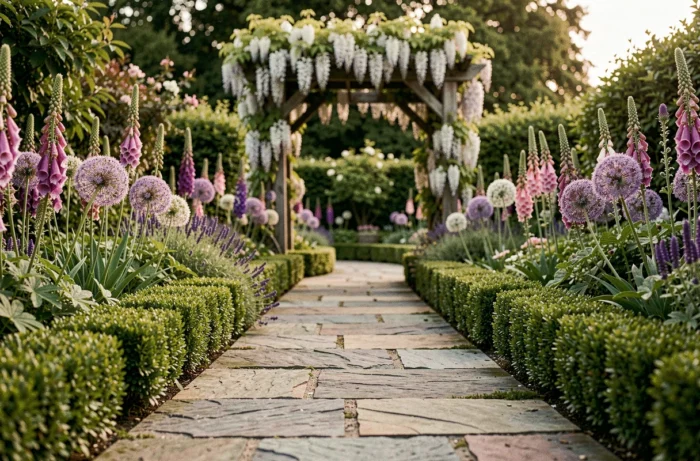
The prevailing aesthetic in these developments combines natural materials (raw wood, local stone, bamboo) with contemporary design. This is no longer a luxury reserved for large properties: modest spaces can accommodate an embedded spa or a relaxation area covered by a green pergola.
This evolution changes the way landscaping is conceived. The paradise garden is no longer measured solely by the density of its plantings or its colors, but by the diversity of uses it allows on the same plot.
Integrating a Wellness Zone Without Sacrificing Plantings
A common pitfall is to pave a terrace corner to place equipment, removing planted surface area. The most successful developments do the opposite: vegetation frames and visually isolates the wellness zone. Tall grasses, a curtain of non-invasive bamboo, or a miscanthus hedge create natural intimacy without walls or fences.
The soil around these zones benefits from remaining permeable (gravel, slabs on a sand bed, elevated wooden decking) to avoid waterproofing that exacerbates runoff issues.
Hardy Exotic Plants: Foliage That Transforms the Atmosphere
The most effective visual lever for giving a garden a paradise atmosphere lies in the foliage, not the flowers. The contrasts in size, shape, and texture between foliage create an impression of tropical lushness even in a temperate garden.
The density of plantings, the play of volumes, and a certain sense of disorder significantly contribute to this ambiance. A mulch made from cocoa shells adds an additional olfactory touch while protecting the roots of the most fragile species.
- Focus on oversized foliage (banana plants, Tetrapanax, Fatsia japonica) to create an immediate jungle effect, even in just a few square meters
- Combine hardy palms like Trachycarpus fortunei with shade ferns for a tropical understory effect
- Plant in layered arrangements (ground cover, mid-layer, tall layer) to fill vertical space and enhance perceived density
The choice of these hardy exotic plants also addresses the watering constraint. Most of these plants, once established, tolerate prolonged dry periods much better than English lawns or annual flower beds. The most sustainable paradise garden will be the one that produces the most visual impact with the least water consumed.