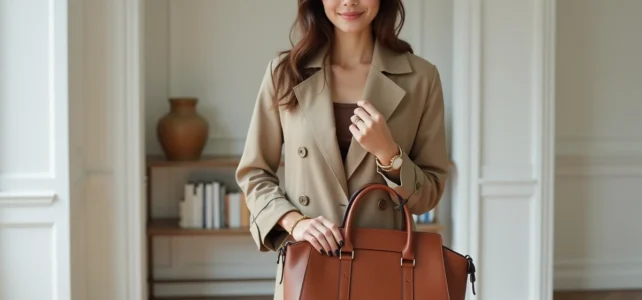
A poorly sourced accessory ages faster than the outfit it accompanies. The composition of materials, finishes, and compliance with new regulatory requirements for textiles now determine the actual longevity of a piece, well before its appearance in the display window.
Textile Regulation and Accessories: What Changes in 2026
The penalty on non-durable clothing and accessories will come into effect in France starting September 2026. This measure, stemming from the anti-fast fashion law, financially penalizes products whose durability, repairability, or traceability of materials do not meet a minimum threshold. Low-quality synthetic leather accessories, fragile plated costume jewelry, and non-recycled polyester bags are directly affected.
At the same time, environmental labeling for textiles becomes mandatory for an increasing share of the European market. We are already seeing a concrete effect on the supply: wholesalers and brands are repositioning their ranges towards traceable materials and documented manufacturing processes. For the informed consumer, this means that an accessory without a mention of composition or country of manufacture will, in the short term, be a warning signal.
European regulation is also pushing for eco-design as a condition for market access. A bag or belt designed to be repaired (accessible seams, replaceable parts) gains a regulatory and commercial advantage. We recommend systematically checking for the presence of a detailed material sheet before any purchase, including for pieces perceived as “secondary accessories” (scarves, pouches, small leather goods).
Materials and Durability: Criteria that Distinguish a Quality Accessory
You can learn more about Belle et Élégante to explore ranges designed around these material and finishing requirements.
Full-grain leather remains the reference standard for bags, belts, and watch straps intended for daily use. Its fiber density gives it a mechanical strength that synthetic alternatives do not reach at equal thickness. However, not all leathers are equal: well-conducted vegetable tanning produces a valuable patina over time, while low-quality chrome tanning cracks within months.
For jewelry, the distinction between plating, gold plating, and solid metal affects longevity. A gold-plated item with documented layer thickness (and not simply labeled “gold”) resists oxidation and skin contact much better.
- Bags and leather goods: prioritize full-grain leather or dense-weight technical fabrics, with saddle stitching rather than glued seams.
- Jewelry: check the thickness of the plating or opt for solid silver, vermeil, or surgical steel for daily wear.
- Scarves and shawls: natural fibers (silk, merino wool, linen) offer better color retention and superior thermal comfort compared to polyester blends.
- Belts: a buckle made of zamak or solid brass immediately stands out from a lightweight alloy buckle by its weight and finish.
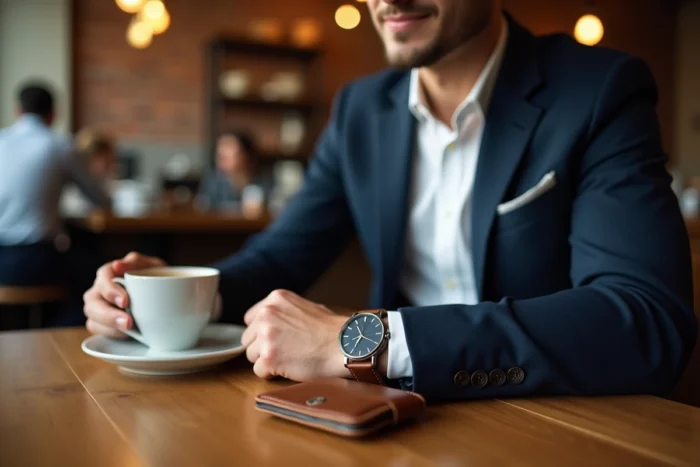
Hybrid Bags and Technical Accessories: The Performance Trend for Everyday
The city bag has changed its specifications. The models that will prevail in 2026 incorporate structured compartments for laptops, waterproof pockets, and technical fabrics inspired by outdoor gear. This shift is not just a passing trend: it responds to real uses (daily mobility, bike commutes, variable weather).
We are seeing a rise in modular volumes, with expandable or compressible bags depending on the contents. Carrying ergonomics (adjustable straps, ventilated back, weight distribution) is becoming a selection criterion on par with color or shape.
Strong textures are also taking precedence over smooth, uniform finishes. Faux fur bags, oversized or mini animal prints, and pronounced grain materials reflect a search for visual impact that goes beyond the classic “go-anywhere black bag.” A well-designed technical accessory now replaces the decorative bag in the daily style hierarchy.
Watches, Jewelry, and Belts: Balancing Trend and Longevity
The common reflex is to multiply costume pieces to vary looks. This approach has a hidden cost: cheap accessories degrade quickly and end up tarnishing the entire outfit.
Three well-chosen pieces cover the majority of situations: a simple watch with a readable dial, a leather belt with a neutral buckle, and a signature piece of jewelry (ring, cuff bracelet, or pendant). The rest falls under seasonal adjustment.
For the watch, a stainless steel case withstands daily shocks without marking. Sapphire glass resists scratches, while mineral glass deteriorates within weeks of active wear. These specifications are rarely mentioned in consumer guides, but they condition the actual lifespan of the item.
Mixing Metals Without a Fashion Faux Pas
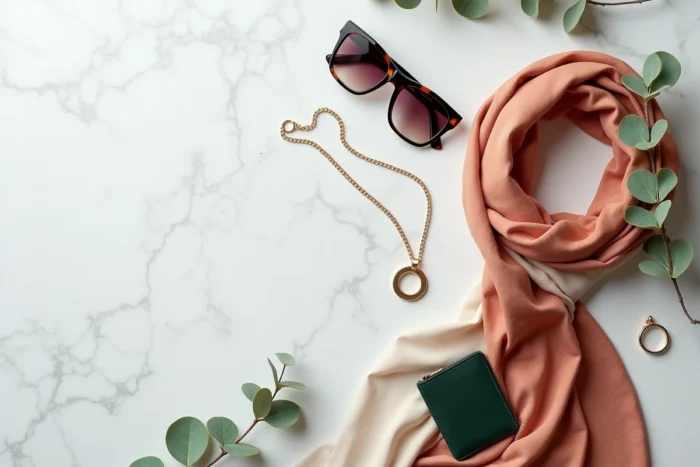
Mixing gold and silver in the same outfit works as long as a dominant is respected. We recommend keeping a single metal for the most visible pieces (watch, earrings, belt buckle) and reserving the second for a discreet accent (ring, small bracelet). The coherence of finishes matters more than the rule of a single metal.
Choosing a Scarf or Shawl as a Key Piece of an Outfit
The silk scarf remains the only accessory capable of radically changing the perception of an outfit without changing clothes. Tied as a bow tie, worn as a headband, or slipped into the breast pocket of a jacket, it adds color, texture, and movement in a single piece.
The technical criterion to watch: the density of the weave. A dense silk twill retains its pleats and drape, while a too-thin voile wrinkles and loses its shape after the first hour of wear. Natural fibers (wool, cashmere, linen) follow the same logic: the tighter the weave, the more the accessory retains its appearance throughout the day.
The upcoming regulation on environmental labeling will make this information on composition and weaving more accessible. Until then, prioritizing brands that already document their materials and manufacturing processes remains the best selection filter, both for the quality worn and for future compliance.