A chip of gravel on the hood after a drive on a country road, fabric seats starting to gray, a desire to change the look of the bodywork without touching the mechanics. The maintenance and customization of a car often depend on precise actions, applied at the right moment, with the right product.
PPF Protection Film: Protect the Bodywork Before It’s Too Late
We often think about protecting the paint after the first impact. The current trend goes in the opposite direction: applying a PPF film as soon as the vehicle is delivered. This reflex, increasingly common, prevents micro-scratches, gravel projections, and insect marks that attack the varnish within a few weeks of summer.
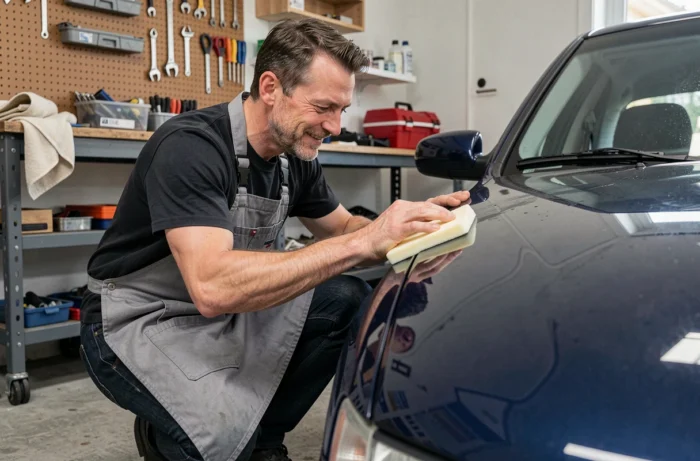
The PPF (Paint Protection Film) is a transparent film that does not alter the original color. It does not change the dominant color of the car, so no administrative steps are necessary with the ANTS. It is applied to the hood, front fenders, side skirts, and mirrors, the areas most exposed to projections.
Its concrete advantage: it absorbs light impacts and partially regenerates with heat. A hood protected by a quality PPF retains a new appearance much longer than bare paint, even when regularly maintained. Practical resources can be found on the Motorcycle Boy website for cars to compare protection and customization options suited to each use.
Interior Cleaning: Products and Methods According to Surfaces
A vacuum cleaner and a damp cloth are not enough to properly maintain an interior. Each surface requires a suitable treatment, or else materials may be damaged or persistent marks left behind.
Fabric Seats and Pet Hair
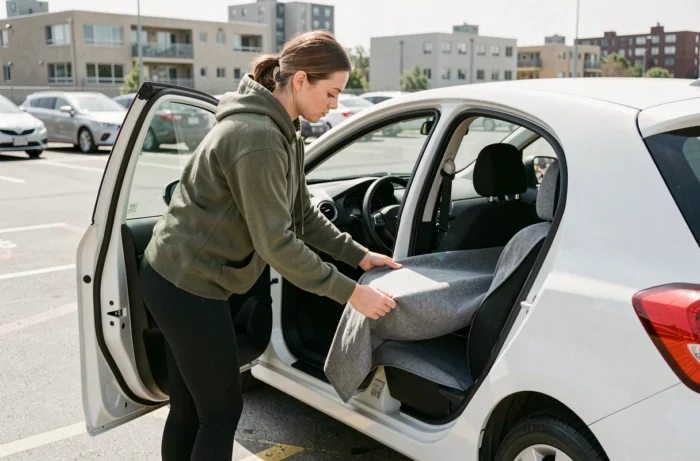
Fabric seats accumulate dust, hair, and stains. A specific foam cleaner, applied with a microfiber cloth and then gently brushed, cleans the fibers without soaking them. For pet hair, a rubber brush is more effective than a vacuum alone: it gathers the hair on the surface before vacuuming.
Leather and Dashboard Plastics
Leather dries out if not nourished. A leather care product applied every two to three months preserves its flexibility and prevents cracking. For plastics, a slightly damp cloth removes dust without leaving a greasy film. Avoid silicone products that attract more dust and make surfaces slippery in the sun.
Floors and Carpets
Rubber floor mats can be cleaned with clear water. Original carpets require a bit more attention: cleaning with lukewarm water and a mild product, followed by complete drying before reinstallation, prevents bad odors. Never reinstall a still-damp carpet in the vehicle.
Partial Wrapping and Dominant Color: What the Registration Certificate Requires
Customizing your car with a wrap is tempting. A black roof, side stripes, a matte hood: these partial modifications do not change the dominant color of the vehicle and do not require any update to the registration certificate.
The situation changes radically with a full wrap. If the main color of the vehicle is changed (a white car completely covered in matte black, for example), the color mention on the registration certificate must be updated through the ANTS. Driving without an updated registration certificate exposes you to a penalty.
This distinction between partial and full wrapping is often unclear for owners. Here are the concrete cases:
- Roof, mirrors, or wheels in a different color: no action required, the dominant color remains the original one.
- Decorative stripes or graphic stickers on doors: no modification of the main shade, no declaration.
- Full wrapping changing the visible color of the vehicle: mandatory update of the registration certificate before getting back on the road.
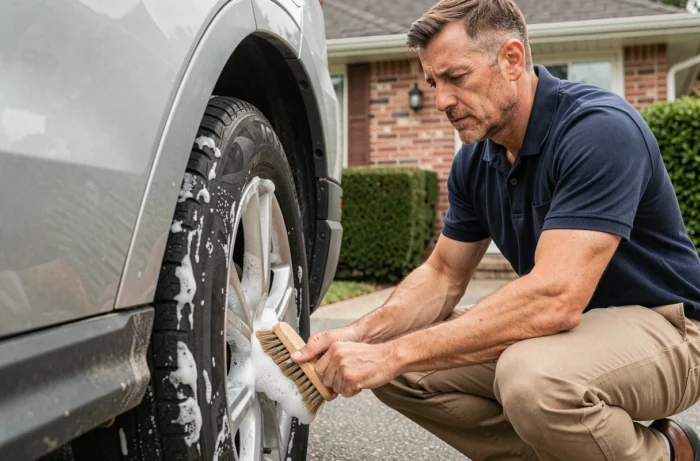
Regular Check of Critical Points: Brakes, Tires, and Lights
You can customize the appearance as much as you want, but a poorly maintained car mechanically remains dangerous. Three points deserve frequent checking, without waiting for the annual inspection.
The condition of the tires affects road handling and braking. Check the pressure once a month (when cold, before driving) and visually inspect the tread wear takes less than five minutes. An under-inflated tire increases fuel consumption and degrades traction.
Brake pads wear down gradually. A metallic noise when braking or a pedal that sinks more than usual indicates a check should be scheduled quickly. Feedback varies on lifespan depending on driving style and type of journey, but a visual check through the rims can already spot advanced wear.
Lights are the easiest point to check yourself. Low beams, taillights, turn signals, reverse lights: just park facing a wall or ask someone to walk around the vehicle while you operate the controls. A burnt-out bulb often goes unnoticed until the technical inspection or a roadside check.
- Tire pressure: check when cold, at least once a month.
- Brake pads: regular visual check, replace as soon as noise or vibration appears.
- Lights: complete test every month, immediate replacement of faulty bulbs.
- Fluid levels (engine oil, brake fluid, coolant, windshield washer): a glance under the hood every two weeks is enough to detect an abnormal drop.
A vehicle well-maintained on these basic mechanical points retains its value at resale and remains reliable on a daily basis. Customization actions, whether it’s a partial wrap or careful interior cleaning, make perfect sense when the mechanical base is sound and regularly checked.